what-is-a-temporary-email-guide
Focus Keyword: temporary email, disposable email, burn email
Meta Description: Learn what a temporary email is, how disposable email addresses work, and why using them is essential to protect your inbox from spam, scams, and data leaks.
Introduction
In today’s hyper-connected digital world, nearly every website, service, or mobile application asks for your email address before giving you access. Whether you want to read a blog post, download a free e-book, or test a new web service, sharing your personal or professional email address has become the default requirement.
However, handing out your primary email address everywhere comes with significant risks: endless spam, aggressive promotional emails, identity tracking, and potential data breaches.
This is where a temporary email (also known as a disposable email or burner email) comes to the rescue. In this article, we will cover everything you need to know about temporary emails, how they work, and why using one is one of the easiest ways to safeguard your online privacy.
What is a Temporary Email?
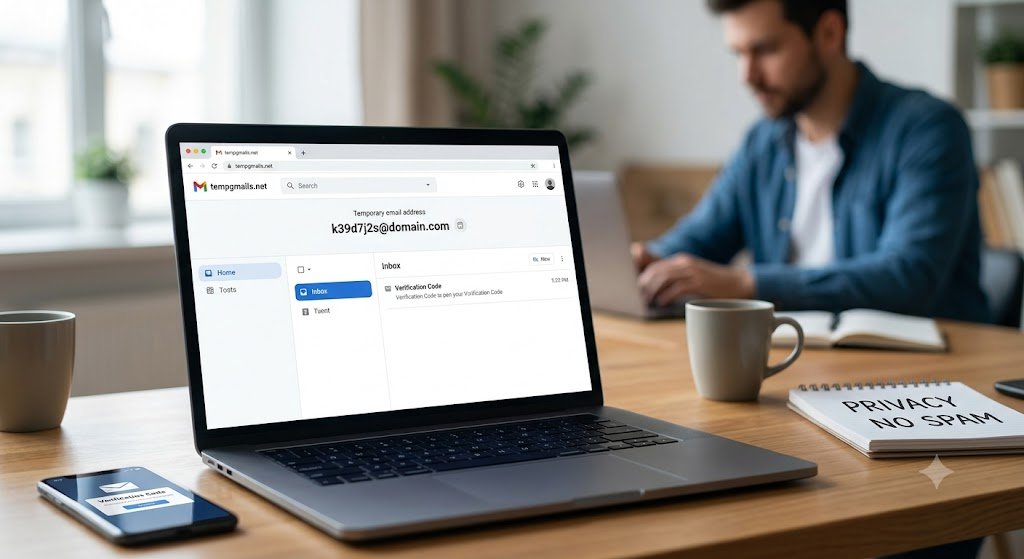
A temporary email is a short-term, disposable email address generated automatically for temporary use. Unlike standard email providers like Gmail, Outlook, or Yahoo, a temporary email service requires no registration, no password, and no personal information.
When you visit a disposable email provider, a random email address is generated for you instantly. Any incoming mail—such as account verification links, OTPs (One-Time Passwords), or confirmation codes—appears in a temporary inbox right in your web browser.
After a specific period (ranging from a few minutes to a few hours), the email address and its contents are automatically deleted.
How Does a Disposable Email Work?
The mechanism behind temporary email services is simple and user-friendly:
- Instant Generation: As soon as you open the temporary email website, an automated system assigns you a unique temporary address (e.g.,
user1234@domain.com). - Receiving Mail: You copy this address and paste it into the registration form of any website requesting an email.
- Viewing Messages: Incoming emails show up in real-time in your temporary inbox. You can open and read confirmation links or copy verification codes.
- Automatic Destruction: Once you close the tab or the set timer expires, the temporary address and all received messages are permanently wiped from the server.
Key Reasons You Need a Temporary Email
1. Eliminate Inbox Spam
Spam is one of the most frustrating aspects of using the internet. Once your main email ends up on a marketing list, you are bombarded with unwanted newsletters and promotional offers daily. Using a disposable email address keeps your personal inbox clean and organized.
2. Protect Your Personal Data and Privacy
Many free online platforms monetize user data by selling email lists to third-party advertisers. By using a temporary email address, you prevent websites from linking your online activity to your real identity.
3. Avoid Security Risks in Data Breaches
Major corporations and platforms suffer security breaches frequently, exposing millions of user credentials. If you use a throwaway email to sign up for less secure websites, a security breach on that platform won’t compromise your main email address.
4. Safe Testing for Developers and Tech Enthusiasts
Developers, software testers, and QA professionals frequently need to test signup flows, welcome emails, or user registration workflows. Temporary emails provide an efficient way to conduct testing without clogging up personal accounts with test data.
5. Instant Access Without Long Signup Forms
When you just need a one-time download or quick access to a tool, filling out forms and creating passwords is a waste of time. Disposable email services deliver instant access with zero signup required.
Common Use Cases for Burner Emails
- Downloading Free Resources: E-books, PDFs, whitepapers, or software trials that require an email address.
- Public Wi-Fi Verification: Accessing airport, hotel, or coffee shop Wi-Fi networks that ask for contact details.
- Untrusted Websites: Trying out new forums, tools, or platforms that seem suspicious or unverified.
- Online Shopping & Coupons: Claiming one-time discount codes or coupons without subscribing to long-term marketing lists.
When Should You NOT Use a Temporary Email?
While disposable emails offer immense convenience, they are not suitable for everything. Avoid using temporary emails for:
- Banking and Financial Accounts: PayPal, online banking, and investment platforms.
- Important Social Media Accounts: Main profiles on LinkedIn, Twitter, or Facebook that require long-term access recovery.
- Work or Official Communications: Job applications, government services, or client communications.
- Paid Subscriptions: Services where you might need receipt recovery or continuous password resets.
Conclusion
A temporary email service is one of the simplest yet most powerful online privacy tools available today. By using disposable email addresses for quick signups, one-time downloads, and unverified websites, you can keep your primary inbox completely spam-free and protect your personal information from unauthorized marketing lists.