Temporary Email vs Real Email: Key Differences, Security, and When to Use Which
temporary-email-vs-real-email
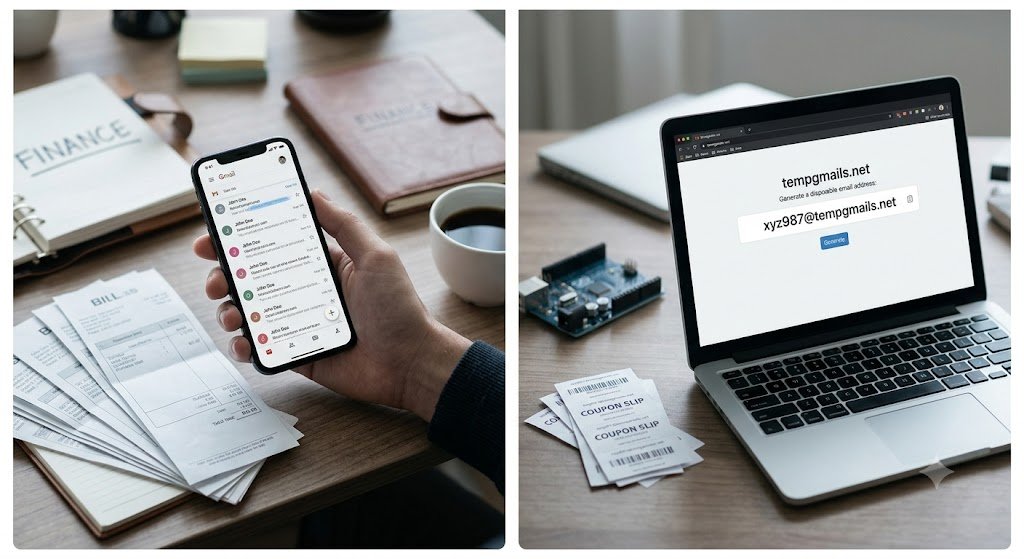
Introduction
Email is the foundation of modern internet communication. From signing up for social media and receiving bank statements to verifying online purchases, almost everything requires an email address.
However, with the massive rise in spam, phishing, and data breaches, relying solely on your primary email address for every online activity can be risky. This has led to the popularity of temporary email addresses.
If you are wondering whether you should use a temporary email or your real email, this comprehensive comparison will help you make the right choice for every situation.
Understanding the Basics
What is a Real Email?
A real email (such as @gmail.com, @outlook.com, or @yahoo.com) is a permanent email account registered with a service provider. It requires personal details, passwords, and recovery options like phone numbers. It is meant for long-term communication and stores your messages indefinitely until you delete them.
What is a Temporary Email?
A temporary email (also known as a disposable or burner email) is a short-term, auto-generated email address provided by sites like tempgmails.net. It requires no registration, no personal information, and no password. It exists for a short time to receive verification links or codes, after which the inbox is permanently wiped.
Temporary Email vs Real Email: Comparison Table
| Feature | Real Email (Gmail, Outlook) | Temporary Email (tempgmails.net) |
| Registration | Required (Name, Phone Number, Password) | None Required |
| Lifespan | Permanent | Short-term (Minutes to Hours) |
| Privacy & Anonymity | Low (Linked to your identity) | High (100% Anonymous) |
| Spam Protection | Inbuilt filters (Spam still leaks in) | 100% Guaranteed (Inbox vanishes) |
| Security Risk in Breaches | High (Passes along your main identity) | Zero Risk (Disposable identity) |
| Best Used For | Banking, Work, Personal Contacts | Quick Signups, Free Downloads, Testing |
When to Use a Real Email Address
Your real email address should be reserved for services and platforms that require trust, long-term access, and secure account recovery:
- Financial & Banking Services: Online banking, PayPal, crypto wallets, and tax portals.
- Primary Social Media Profiles: Main accounts on LinkedIn, Facebook, Instagram, or Twitter.
- Work & Professional Communications: Job applications, business emails, and client communications.
- Paid Subscriptions: Netflix, Amazon, Spotify, or any service where receipts and subscription management are needed.
When to Use a Temporary Email Address
A temporary email is ideal when you need fast, anonymous access to online content without revealing your identity:
- Downloading Free E-Books & Resources: Websites that demand an email before giving access to a PDF or template.
- Testing Software & Web Apps: Developers and testers creating multiple dummy accounts to test features.
- Public Wi-Fi Networks: Airport, hotel, or cafe Wi-Fi setups requiring an email verification step.
- One-Time Discount Coupons: Claiming promotional offers on e-commerce sites without receiving weekly sales emails.
- Unverified Online Forums: Posting or reading threads on message boards you don’t fully trust.
Advantages of Using tempgmails.net for Temporary Emails
When you need a quick throwaway email, tempgmails.net offers a seamless experience:
- Instant Email Generation: Get a working temporary address the second you land on the page.
- Zero Personal Data: You don’t give away your phone number, real name, or location.
- Real-Time Refresh: Verification codes arrive instantly in the clean inbox interface.
- Complete Spam Shield: Protects your main email address from spam bots and sold email lists.
Conclusion
Both temporary emails and real emails serve important purposes in modern internet usage. Your real email is your digital identity for long-term, trusted services, while a temporary email is your defensive shield against spam, tracking, and data leaks.